

Drainage and plumbing, Burnaby Heights
Drainage and Plumbing in Burnaby Heights
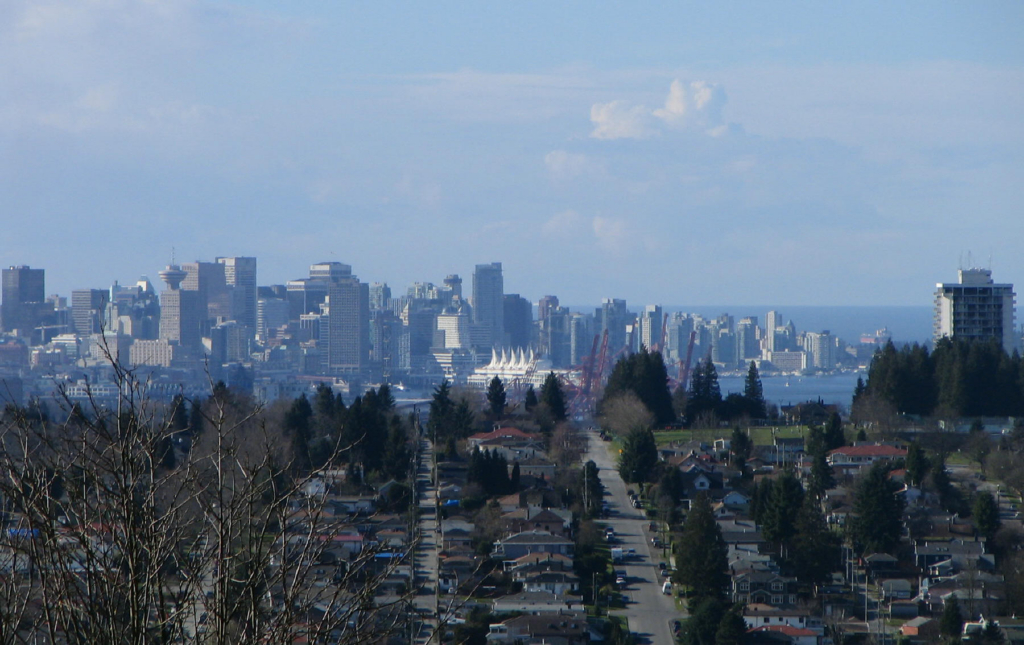
Burnaby Heights is one of only two neighbourhoods left in the whole City of Burnaby that still runs on combined sewers. The other is Glenbrook, right across the city.
That is not trivia. It changes what fails, what the City will pay toward, and what we look for when we put a camera in your line.
The partially upgraded trap
The City describes three states a property can be in. Legacy, which is a combined sewer from the home to a combined sewer in the street. Partially upgraded, which is a separated sewer in the street with the original combined sewer still on the homeowner’s property. And fully upgraded, done by the homeowner and the City together.
The middle one is the one that catches people out in the Heights. The City comes through, twins the main, and the street is now separated. Your house is still pushing roof water and sewage down one old pipe to meet it. Nothing on the surface tells you which state you are in. A camera does, in about the time it takes to have a coffee.
There is a City grant available to eligible homeowners to offset the cost of upgrading that combined connection from the house to the new City lines. Worth finding out where you stand before you decide anything, and worth having footage of the line when you apply.
The ground makes it worse at the north end. The neighbourhood sits on a bench somewhere around 90 m to 104 m, and north of roughly Cambridge and Yale it falls away to about 17 m at Burrard Inlet in a couple of hundred metres of horizontal distance. Six named City creeks run down that face, Tunnel, Gull, Crabtown, Crabtown Trib, Starfish and Mill, with Rainbow Creek cutting through Confederation Park to the east. Stormwater from north Burnaby ends up in the inlet. Water on the north half of the Heights arrives with momentum, so where it is discharged matters more here than it would on flat ground.

One pipe, two jobs, and the City says so out loud
Burnaby’s own words: only 7% of the City’s sewers still need separation, namely the Burnaby Heights and Glenbrook neighbourhoods. And during extreme weather those combined systems can get overloaded and sometimes let untreated sewage overflow into Burrard Inlet from Burnaby Heights.
Here is what that looks like on the ground. Inside the Heights the City maps 91 combined sewer mains and 335 combined service lines, the pipes that run from a house out to the street. Of those 335 house connections, 254 went in before 1965, with the bulk landing in 1957, 1961, 1962, 1963 and 1964. That is one pipe carrying the rain off your roof and the waste out of your house, put in the ground in a five year window, and it is around 60 to 70 years old now.
The mains themselves are concrete, clay, asbestos cement, PVC and reinforced concrete. 39 segments of vitrified clay are still in service. Clay is the one roots get into, and this is a City record rather than a plumber’s guess. The biggest surviving run of combined main is on Albert Street, and more than half of that is clay. MacDonald Avenue, Dundas Street, Gilmore Avenue, North Rosser Avenue, McGill Street, Alpha Avenue, Carleton Avenue, Ingleton Avenue, Triumph Street, Pandora Street and North Esmond Avenue all carry some too.
Meanwhile the street side is being twinned year after year. The same map area holds hundreds of sanitary and storm mains going in as PVC through the 2000s, 2010s and into the 2020s. Burnaby has spent nearly forty million dollars and separated close to half of its original 85 km of combined sewer.
The leaf load is the seasonal half of it. Burnaby says piles of fallen leaves on the street can block catch basins and flood your street, and asks residents to check the gutter and basin beside their property. There are 920 catch basins inside the Heights and a real back lane grid, 86 lane segments, so a lot of water and a lot of downspout discharge is heading to the rear of the lot rather than the front.
How we work a Heights property
What Burnaby and Vancouver customers say
Ryan was great! My landlord called him to fix my blocked kitchen sink. He showed up the same day (on a Sunday) and fixed the problem. He even cleaned the sink and dried up all the water that had leaked before he got there. And he was very careful coming in and out of the house so my cat wouldn’t get out. I’d definitely recommend him.
Ryan is INCREDIBLE. He has been responding to all of us (four houses and families!) affected by a sewage back up. This is all on Boxing Day and beyond, in terrible weather full of ice, cold and rain. He is so knowledgeable, and knew what was needed right away. Just the top of his field I am sure. As well as that, he is incredibly calm, respectful, kind and fair. I am truly amazed by this person's capacity and competence in combination with his noble, calm presence in the face of a real mess. Thank you Ryan, so very much!
I had very positive experience with Mamba Services, Ryan was amazing to work with and took care of my drain issues in no time. He arrived on time, was very professional and efficient in carrying out the work. What impressed me was how honest he was in recommending needed repair. He was very patient in explaining the different options. I will certainly call them for future projects.
Had an excellent experience. Ryan was fantastic, it was an after hours call late in the evening and he showed up exactly in the time frame he gave. Took care of the kitchen sink issue within minutes all systems were running like new. Pricing was extremely reasonable, Ryan was patient and explained everything to me while fixing my problem. I would highly recommend this company for any plumbing work.
Ryan was efficient, experienced, and knowledgeable. He was able to squeeze me into his schedule with short notice and wasted no time with my appointment. He arrived on site inspected the issue, and was quickly at work with resolving the problem. I am very pleased with his service and honesty. He provided recommendations that will help assist me in future occurrences.
24/7 emergency dispatch
Drainage problem in Burnaby Heights?
Ryan picks up. Live dispatch, and you get a real arrival window on the call. We camera the line before anybody quotes a number, and there is no travel fee anywhere in Burnaby.
Burnaby Heights drainage and plumbing FAQ
Because it is one of the last two areas in the City that has not been fully separated. Burnaby says only 7% of its sewers still require separation, and it names Burnaby Heights and Glenbrook. The City has been working through the rest for more than thirty years.
It carries stormwater and sewage in the same pipe. In heavy weather the volume can overload the system, and the City says that can allow untreated sewage to overflow into Burrard Inlet from Burnaby Heights. On your property the same overload is what pushes water back up a basement floor drain.
Probably not. The City calls that partially upgraded, a separated sewer in the street with the original combined sewer still on the homeowner’s property. The work on your side of the line is a separate job and it is yours. A camera inspection tells you in one visit which side of that you are on.
Yes. The City offers eligible homeowners a grant to offset the cost of upgrading the combined sewer connection that runs from the home to the new City lines. Ask the City’s engineering department what you qualify for, and go in with footage of your line rather than a guess.
Depends which street. The combined mains here were mostly laid in 1957 and 1964, with six concrete trunk segments going back to 1931 on the Gilmore alignment down the bluff. 39 segments are still vitrified clay. Albert Street carries the longest surviving combined run and more than half of it is clay.
It can be. On a combined system a storm surcharge pushes back up the line, and the first place it shows is a floor drain. It can also be a trap that has dried out. We scope it rather than guess, and on a combined property we will talk to you about a backwater valve.
The City reported significant flooding across low lying parts of Burnaby during that atmospheric river, and its own response list included responding to reports of flooded basements and clearing blockages in City sewers. If your place struggled then, it is going to struggle again, and that is the moment to scope the line rather than mop.
Two waves, not one. The commercial strip on Hastings dates to the 1908 streetcar, and there are protected 1909 houses in the neighbourhood, including Overlynn at 3755 McGill Street and the MacDonald House at 3814 Oxford Street. Then there is a big postwar wave, which is what the 1957 to 1964 service connection dates point at.
Three things straight off the City’s own flood prevention page. Inspect, flush or clean your drains periodically and replace them if they are old. Get the downpipes onto splash pads so they stop overloading the perimeter pipes. Keep the curb gutter and catch basin next to your property clear of leaves and debris.
For a sewer backup or flooding during heavy rain, Burnaby’s emergency dispatch is 604-294-7200. For anything on your side of the property line, call us on (778) 961-0824 and we will get a camera in the line.
24/7 EMERGENCY DISPATCH
Water where it should not be?
Ryan picks up. Live dispatch, and you get a real arrival window on the call.