
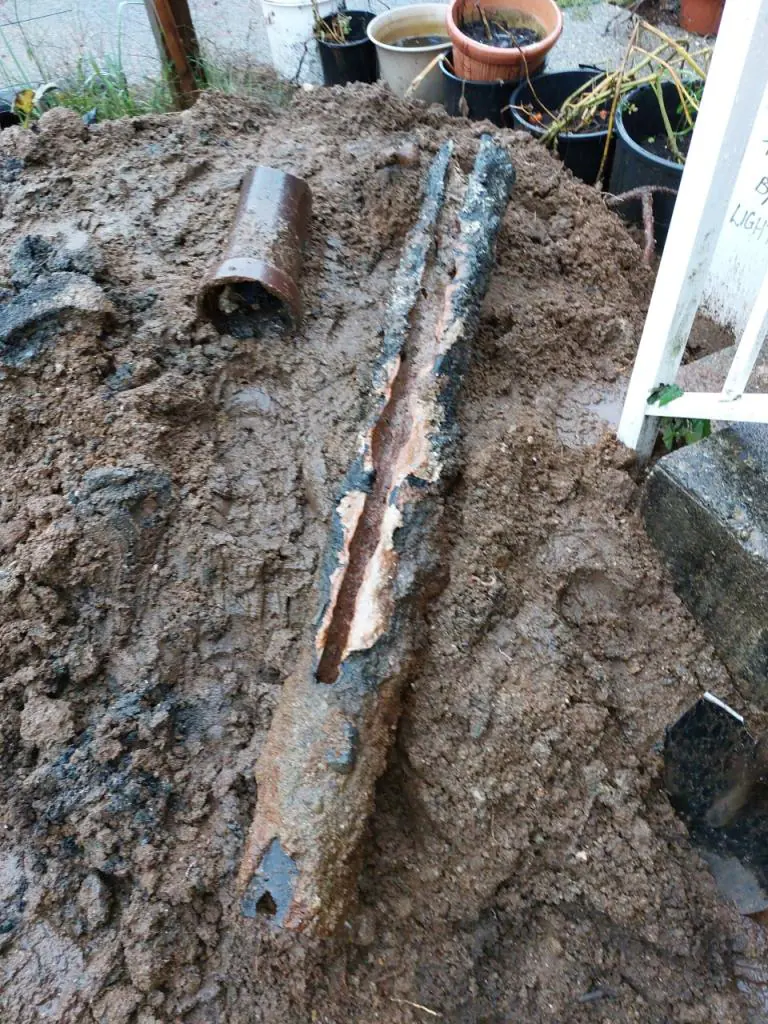
Drainage and plumbing, New Westminster
Drainage and Plumbing in New Westminster
New Westminster has the highest percentage of combined sewers in the Lower Mainland. That is the City’s own Director of Engineering, on the record. Over half the system is still fully combined.
Which means the rain off your roof and the waste out of your house are sharing one pipe. When a November storm fills it, the water looks for the lowest opening in the building, and that is your basement floor drain.
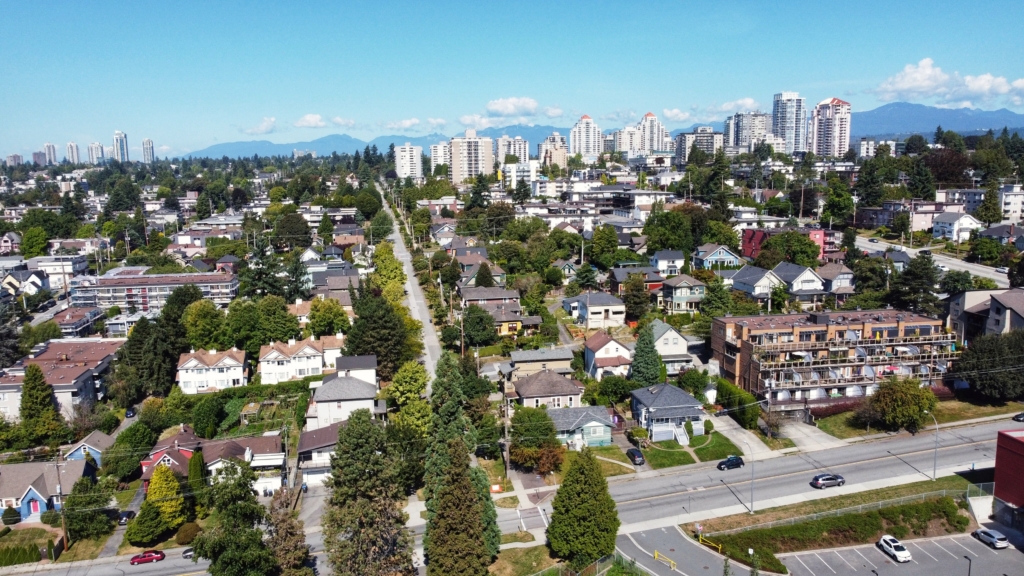
The ground here does not take water
The City’s own stormwater plan assumes an infiltration rate of one to two millimetres an hour across most of New Westminster, averaging around one and a half, and states plainly that most of the study area has low infiltration potential. The subsoil is glacial and highly variable, and large parts of the city sit on landfill, including major fill areas along the Brunette and Fraser shorelines.
On top of that, over half the city is impervious. 53% of New Westminster is surfaces that cannot collect, absorb or clean rainwater, and the plan notes that new single family builds often cover more of the lot than the homes they replace, so the effective impervious area keeps growing. All the drainage in the citywide study area is piped. The streams were culverted and the ravines were filled long ago.
Put those together and the conclusion is not subtle. The ground is not going to soak up your problem. The perimeter drain is the plan. When it silts or collapses, there is no backup mechanism waiting underneath it.
It also splits three ways by neighbourhood. Queen’s Park is flat, which the City lists as a character element of the heritage conservation area alongside generous side yards and the grand boulevards on Second and Fifth Street. Flat ground plus soil that takes almost nothing means water sits until the drain tile moves it. The side yards are the good news, because that space is what makes an exterior excavation workable on a lot where a tight urban footprint would force a different method.
Queensborough is the opposite animal. It sits on the eastern tip of Lulu Island behind a perimeter dike built in the 1960s that protects roughly 350 hectares, and it drains by pump rather than by gravity. About half that dike does not meet the provincial minimum freeboard, the ground is partly Fraser silt, and the whole area sits inside the provincial floodplain. On a lot like that a sump pump with backup power is core equipment rather than an upgrade.
Then there is the West End, where the City’s sewer separation project is working through 6th Avenue and 16th, 18th and 20th Street with 24 rain gardens built into it. Sapperton went first, starting in 2017. If your street is on that list, this is the year to find out what your own lateral is doing rather than the year after the road closes.

The 29% nobody tells you about
The City’s 2023 Sewer and Drainage Asset Management Plan splits the system three ways. Over 50% is still fully combined. 29% is partially separated. 20% is fully separated. And it defines the middle one in plain words: partially separated mains are mains that are separated in the street but have private laterals that are still combined.
Read that again, because it is the whole thing. In that 29% the City has already done the road. Your property is still running one pipe out to meet it. Separating the storm side from the sanitary side on private ground is a homeowner job, and the City says so in writing.
New Westminster also draws the ownership line further out than most cities. The homeowner is responsible for maintaining, cleaning and unplugging the storm and sanitary service connections between the house and the public sewer main, and owns that run from the building all the way to the City main, unless the inspection chamber at the property line is full or the City main itself is blocked. The City’s own advice is to get a licensed plumber to clear the blockage to the main or the chamber first. Only if a collapsed municipal pipe turns up does the City step in.
None of this is going away either. Metro Vancouver’s liquid waste plan sets a 2075 deadline for separating combined sewers in the Fraser Sewerage Area at an average of 1.5% of the system per year. The oldest sewer infrastructure in the city dates to 1911, and there are roughly 294 km of sewer mains and 206 km of watermains to work through.
One more thing worth knowing before you blame the weather. In South Coast BC roughly 70% of the annual rainfall volume falls as light showers and normal rain, about 20% as heavy rain, and only around 10% as the large storms that flood things. Your drainage only really gets tested on that last 10%, which is why a system can look fine for years and then fail in one night.
24/7 emergency dispatch
Drainage problem in New Westminster?
Ryan picks up. Live dispatch, and you get a real arrival window on the call. We camera the line before anybody quotes a number.
New Westminster drainage and plumbing FAQ
That is what a combined sewer does. Over half of New Westminster’s system carries stormwater and sewage in one pipe. When a storm fills it faster than it drains, the level rises and the lowest opening in your building takes it. The City itself says combined overflows increase the risk of localised flooding.
Probably not. The City’s asset plan says 29% of the system is partially separated, meaning the main in the street is separated but private laterals are still combined. Splitting the storm from the sanitary on your side of that is a homeowner job.
Further out than most people expect. In New Westminster you own it from the building to the City main, unless the inspection chamber at the property line is full or the City main is blocked. The City tells homeowners to have a licensed plumber attempt to clear the blockage to the main or the chamber first.
The ground here barely drains to begin with. The City’s stormwater plan assumes one to two millimetres of infiltration an hour, and describes most of the city as having low infiltration potential. If the perimeter drain silts up, there is nothing underneath it to take over.
Not if it is a boulevard tree. The City Arborist manages every tree on City property and the rules say do not prune, top or alter them. Trees over 20 cm in diameter measured at 1.3 m above grade are protected by the tree bylaw and removal needs a permit. The pipe is the part you control.
Yes, quite. Queensborough sits behind a perimeter dike built in the 1960s and drains by pumps rather than by gravity. Sections of the mainland and all of Queensborough sit inside the provincial floodplain. That changes the pump, the backup power and where a discharge is allowed to go.
It is a one way gate on your sewer line. If flow tries to come back up from a surcharging main, the valve closes. On a combined connection under a suite, it is the most useful single thing you can fit. We scope the line first so it goes in the right place.
The City asks residents to remove leaves from catch basins and keep them clear, and reminds people that catch basins are for rainwater only. Anything on private ground, driveways or parking pads is ours to clean.
41% of dwellings in the city were built before 1981, and 6,715 units, about 18.6%, date from 1960 or earlier. It is also not a house city. Only about 13.8% of dwellings are single detached, with most of the rest in apartment buildings. Queen’s Park is the exception and it has a documented pre 1941 line.
All of it. Queen’s Park, Sapperton, Uptown, the West End, Connaught Heights, downtown and Queensborough, plus Burnaby, Coquitlam and Vancouver around it.
24/7 EMERGENCY DISPATCH
Water where it should not be?
Ryan picks up. Live dispatch, and you get a real arrival window on the call.